NC Atlas of Phenomena

The North Carolina Atlas of Phenomena is a resource to support science teachers throughout the state to develop their own understanding of different phenomena and the disciplinary core ideas needed to explain them.

25 results found
Science Domains
Elementary (K-5)
Middle School (6-8)
High School (9-12)
Maple leaves - NC Cooperative Extension

Why do leaves change color in the fall?

Phenomenon Description:  In the fall, the green color in the leaves goes away, and we start to see the bright reds, oranges, and yellows that were hiding inside all along. 
Location: Wake County, Wake Forest 
Grade Level or Course: Kindergarten

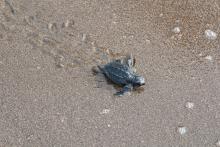
sea turtle nest on the beach

Why do sea turtles lay their eggs on the beach?

Phenomenon Description:  Sea turtles come to North Carolina beaches in the summer (May to August) to lay their eggs. 
Location:  Dare County, Outer Banks
Grade Level or Course: Grade 4  


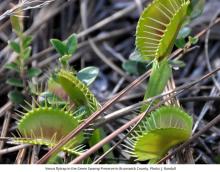
Venus flytrap in the Green Swamp Preserve by J. Randall

Why do Venus Flytraps trap insects?

Phenomenon Description: The Venus Flytrap (Dionaea muscipula) has specialized leaves that snap shut to capture and digest insects, which the plant uses for nutrients. 
Location: Found in the subtropical wetlands of NC and SC, Carolina Beach State Park, Wilmington, NC 
Grade Level or Course: Grade 6


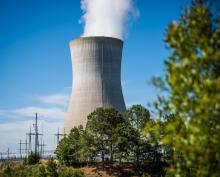
Harris Nuclear Power Plant

Why does a nuclear power need a cooling tower?

Phenomenon Description:  Waste vapor is released from Harris Nuclear Power Plant's cooling tower.
Location: Wake, Harris Nuclear Power Plant 
Grade Level or Course: Physical Science

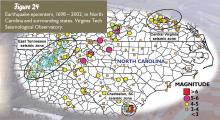
North Carolina Regional Historic Earthquake Events: 1861 - present

Why does North Carolina experience earthquakes?

Phenomenon Description:  North Carolina often experiences minor earthquakes, but the state is not located near a tectonic plate boundary. 
Location:  North Carolina 
Grade Level or Course: Earth and Environmental Science